


The Different Customization Techniques for Primary Perfume Packaging
In the world of perfume, primary packaging plays a central role in
the product experience. Far more than a simple container, the bottle fully contributes to a brand’s identity and the consumer’s perception of the fragrance. Shape, material, color, and decoration: every detail helps convey a universe, a story, and a positioning.
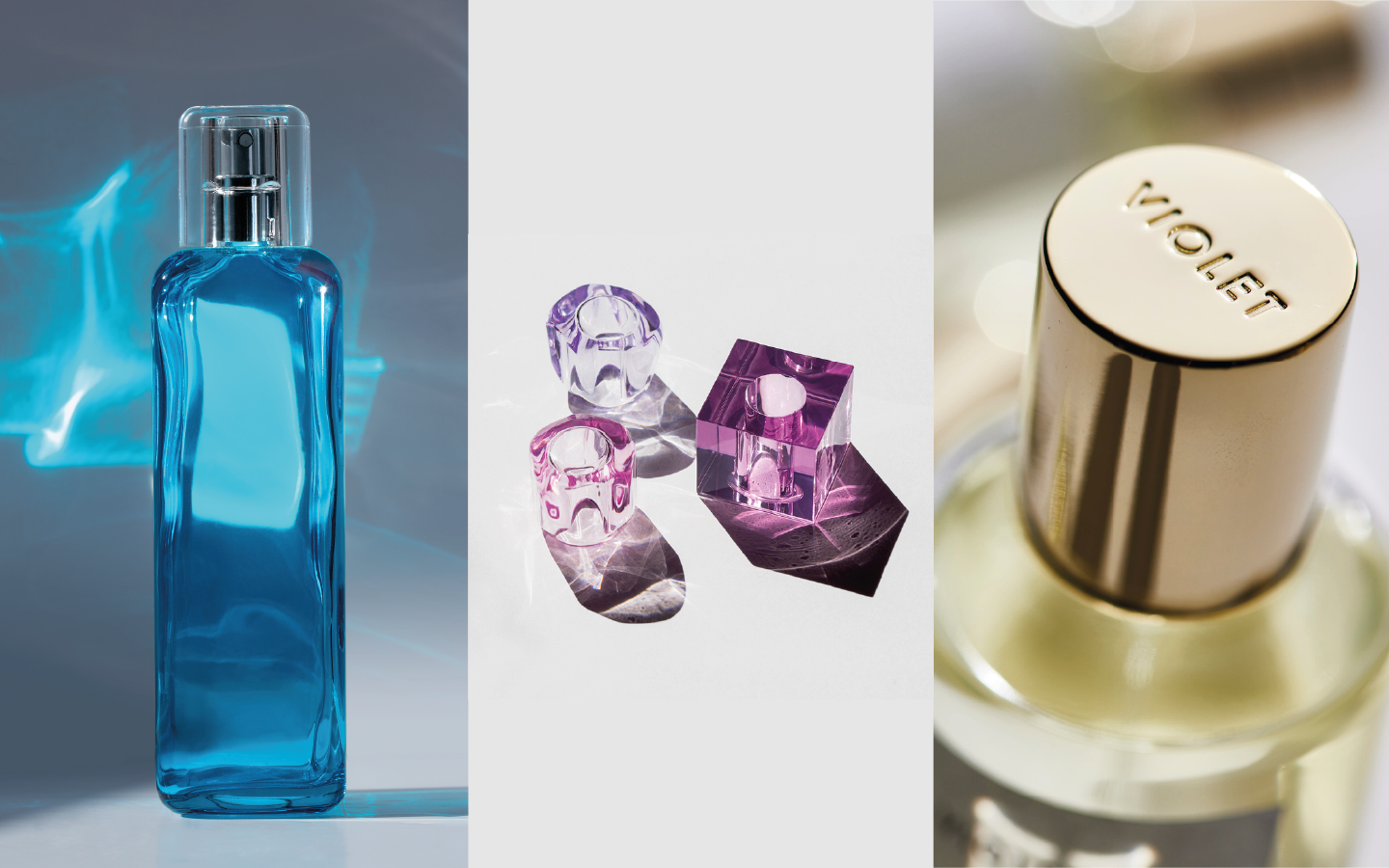
For perfume houses and fragrance creators, packaging customization is therefore a strategic lever for differentiation in a particularly competitive market. Distinctive packaging strengthens brand image, enhances product value, and creates an aesthetic object that catches the eye.
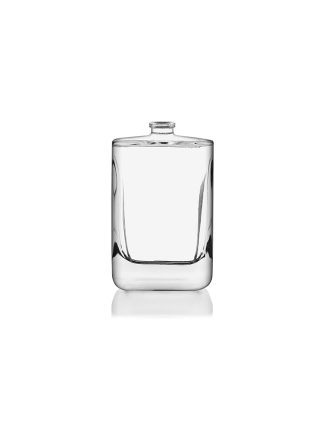
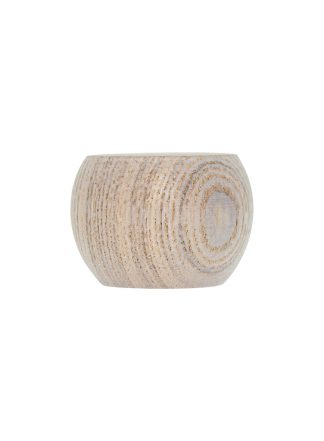
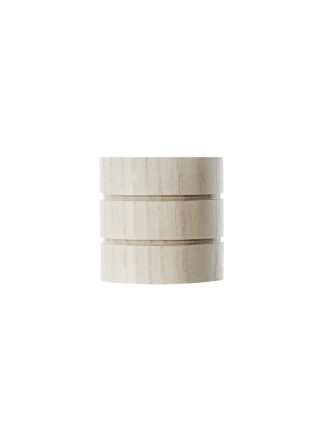
As a specialist in primary perfume packaging, Coverpla supports brands in the design and customization of perfume bottles, pumps, and caps through a wide range of decoration techniques. These processes make it possible to adapt packaging to the aesthetic codes and requirements of each project.
Coloration
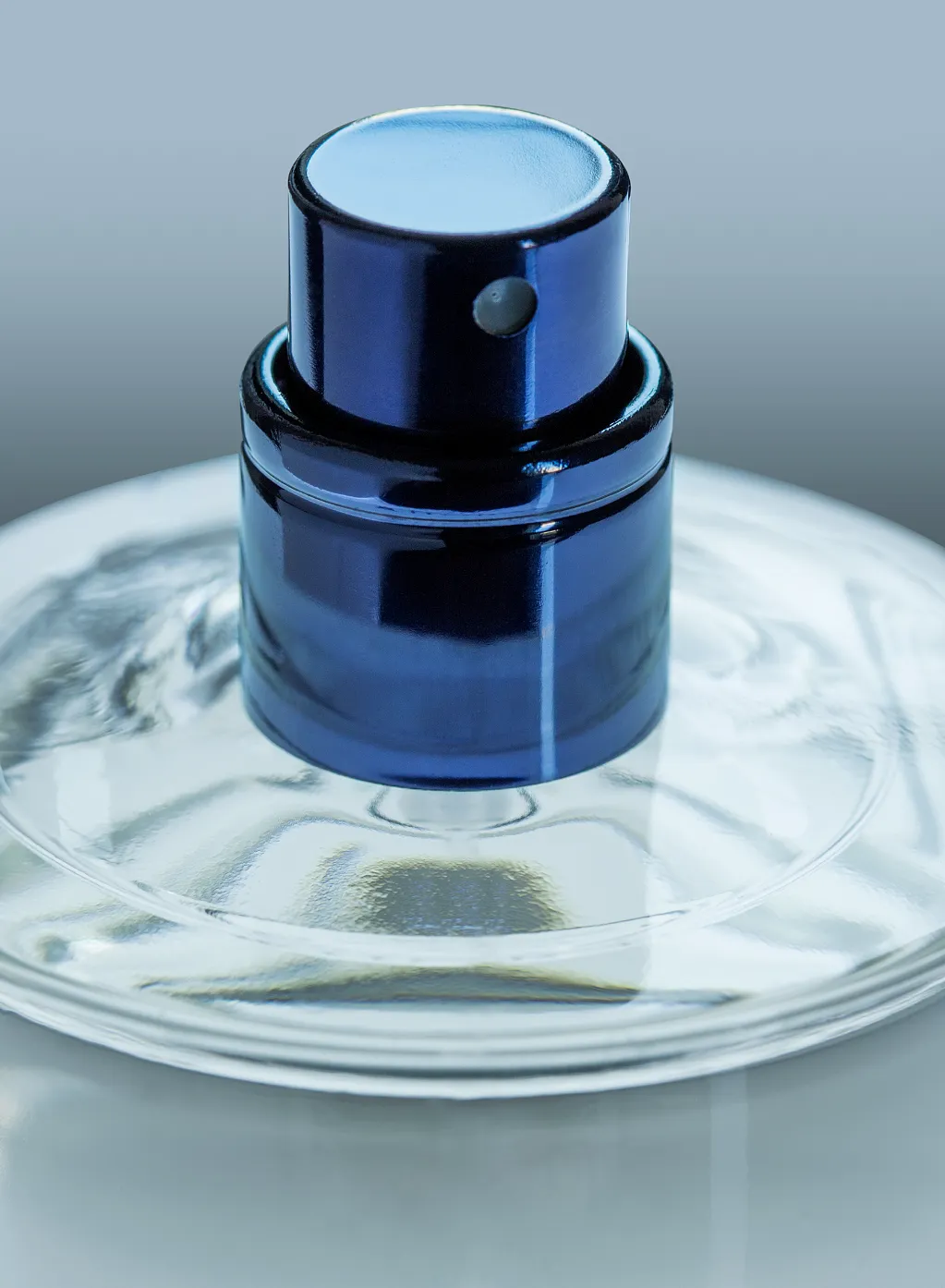
Coloration of components allows a tint to be applied to specific packaging elements such as the cap, pump, or pump cover. This technique offers targeted and controlled customization.
The color is obtained either by incorporating a masterbatch during injection, with the part then being tinted throughout, or by anodization for metal components.
At Coverpla, this solution is part of a comprehensive packaging customization approach, making it possible to harmonize the different elements with the brand’s visual identity while maintaining a standardized technical base.
Component coloration can be used alone to create understated and cohesive sets, or combined with other decoration techniques to reinforce the overall packaging identity.



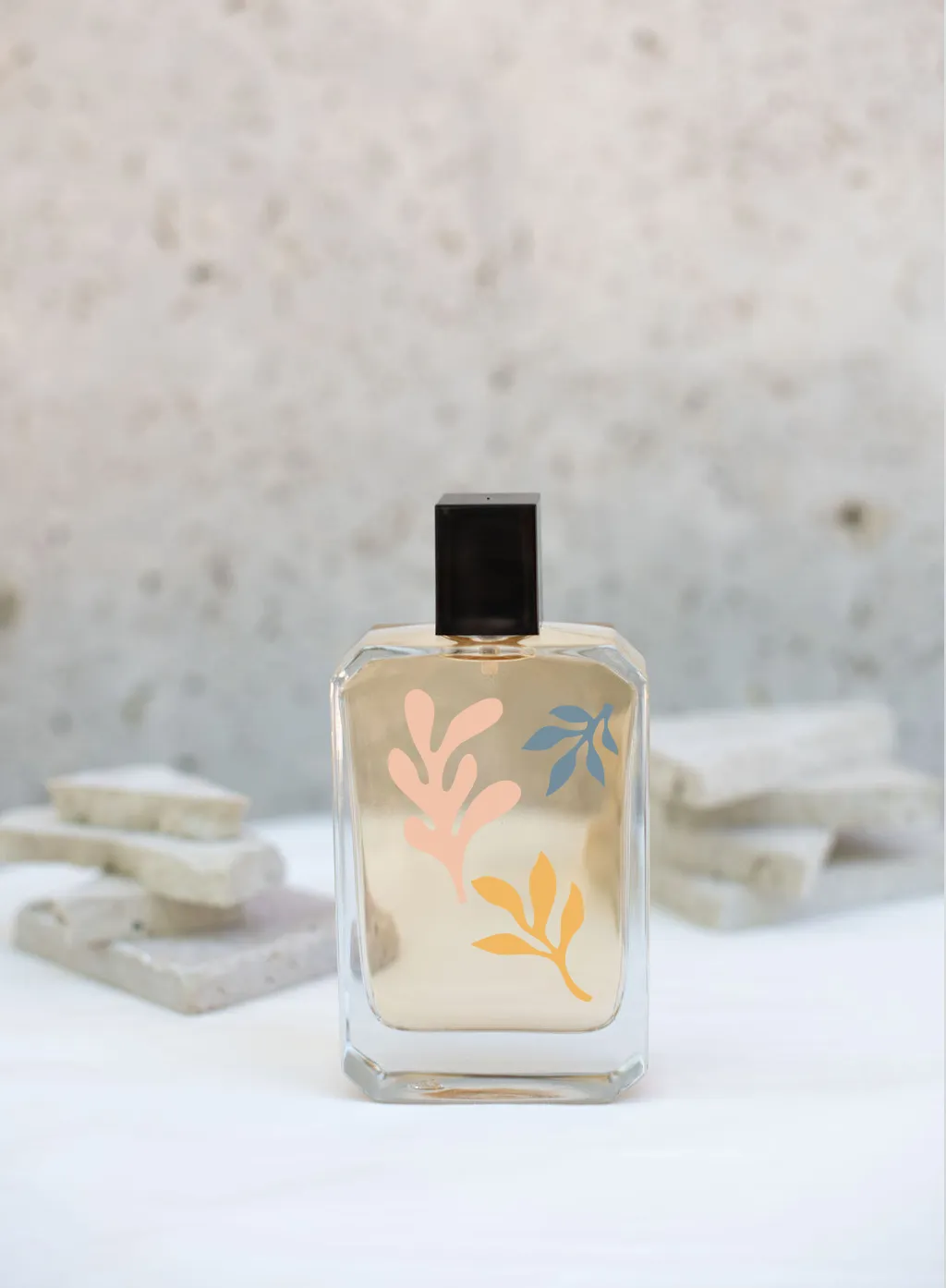
Screen Printing
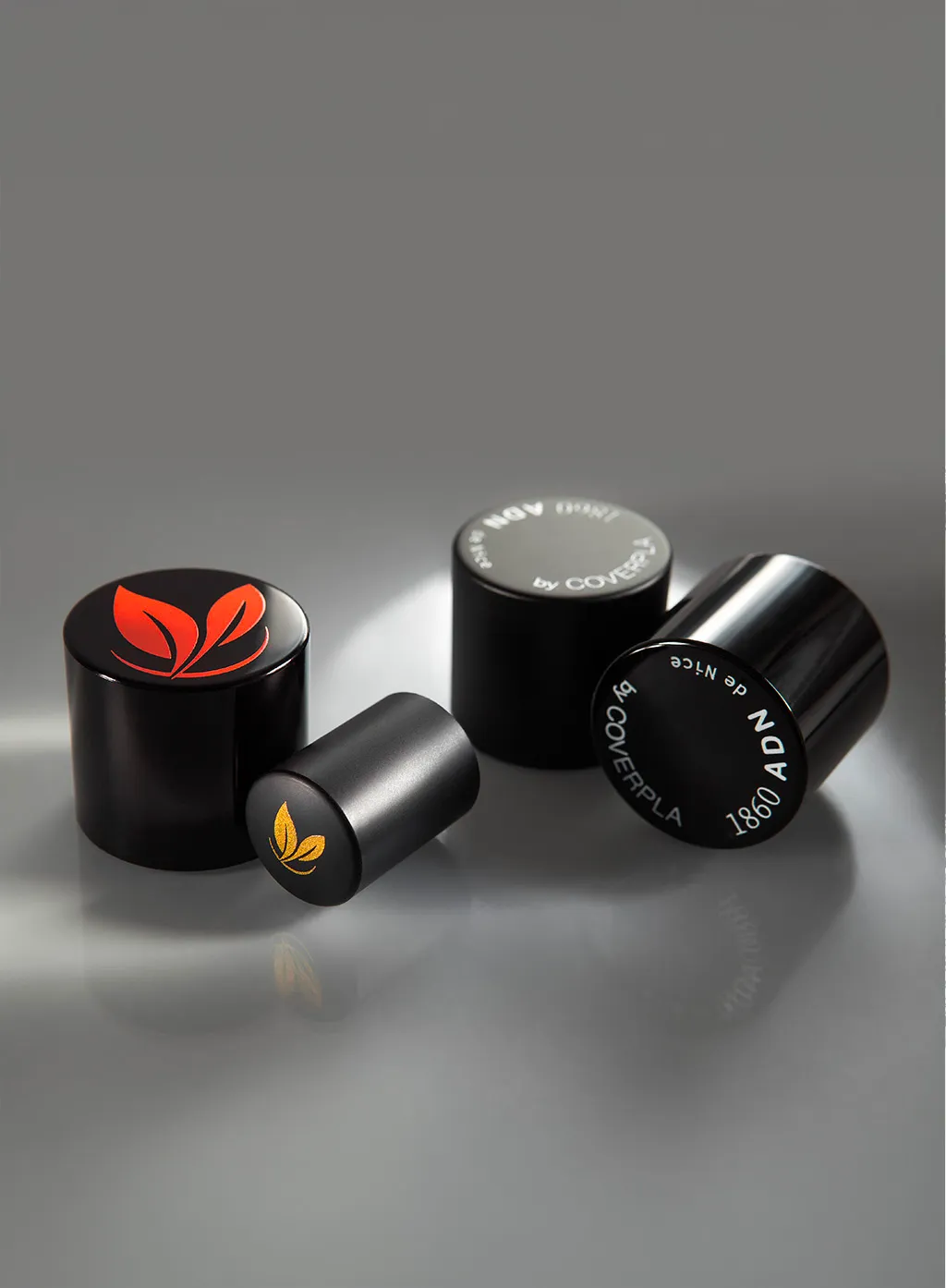
Screen printing is one of the most widely used printing techniques in cosmetic and perfume packaging. It involves applying ink directly to the bottle surface using a specific screen.
This technique allows precise printing of logos, typography, or graphic patterns. It offers excellent durability and high-quality rendering, even for very fine elements.
Screen printing is particularly suitable when a brand’s visual identity relies on a strong graphic signature. For example, it allows faithful reproduction of a logo or specific typography on the bottle.
In certain projects, it is combined with lacquering or frosting to create contrasts between decorated and matte surfaces.
At Coverpla, screen printing is frequently used to customize bottles with production runs possible from 1,000 pieces.
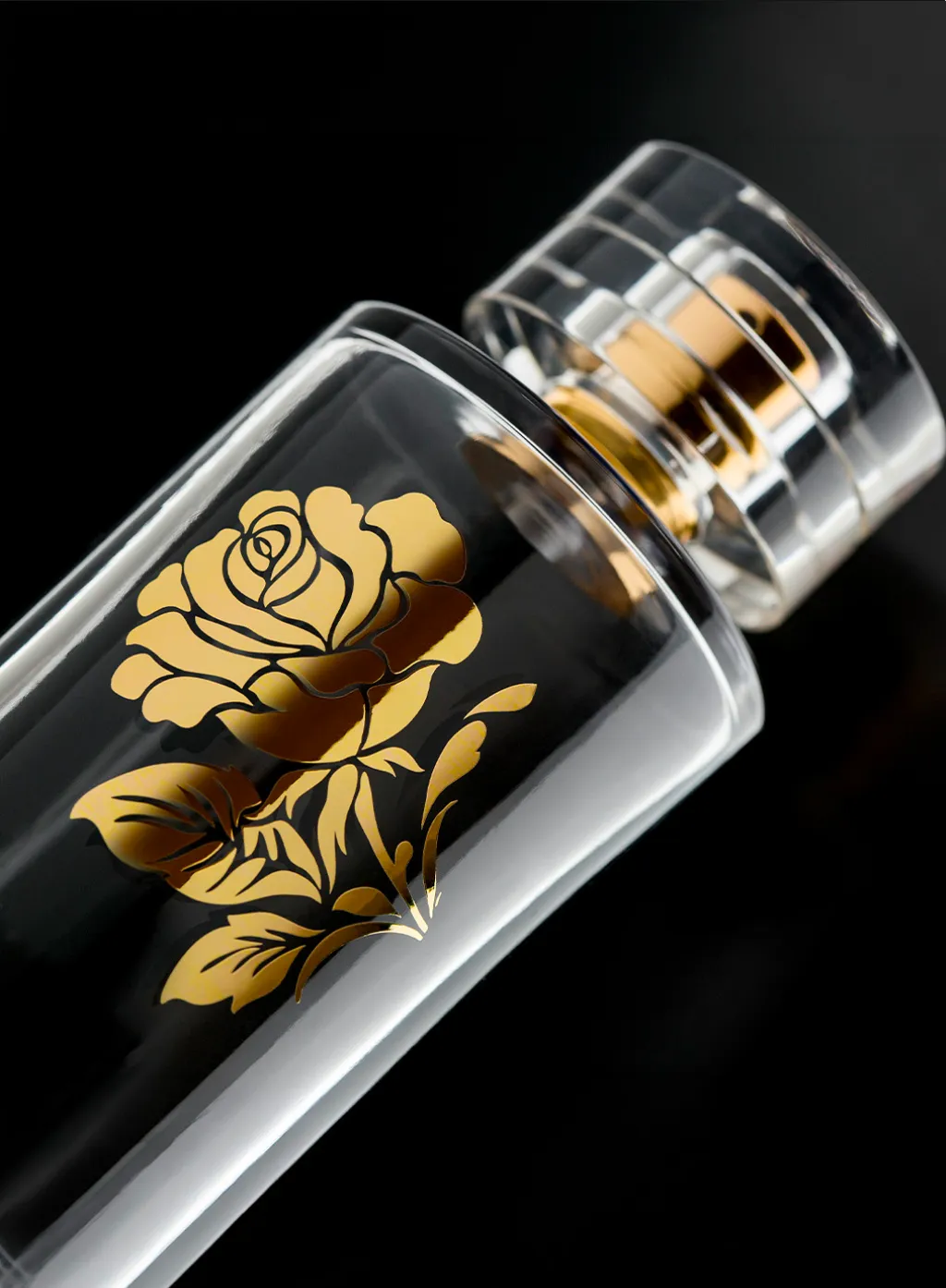
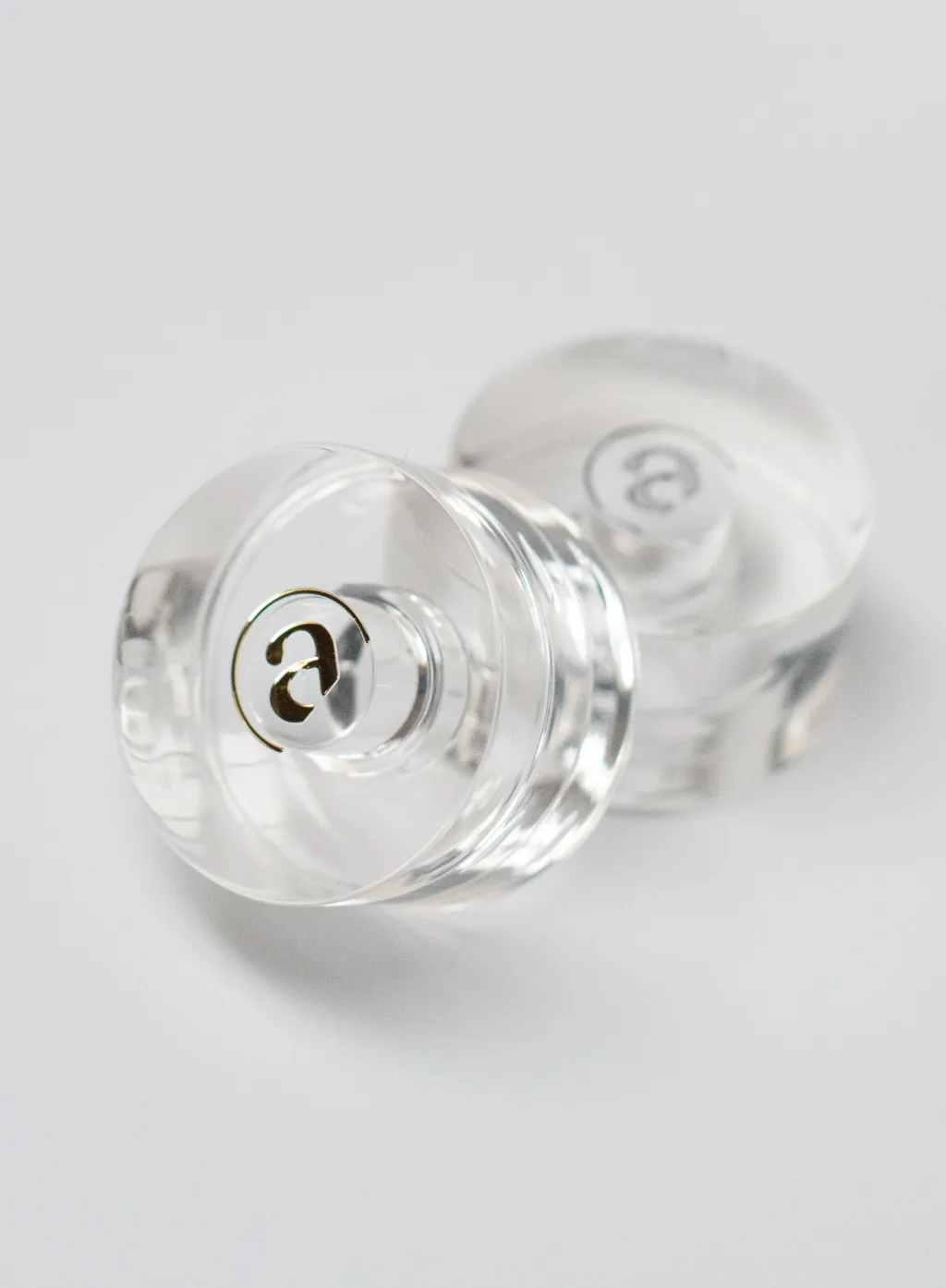
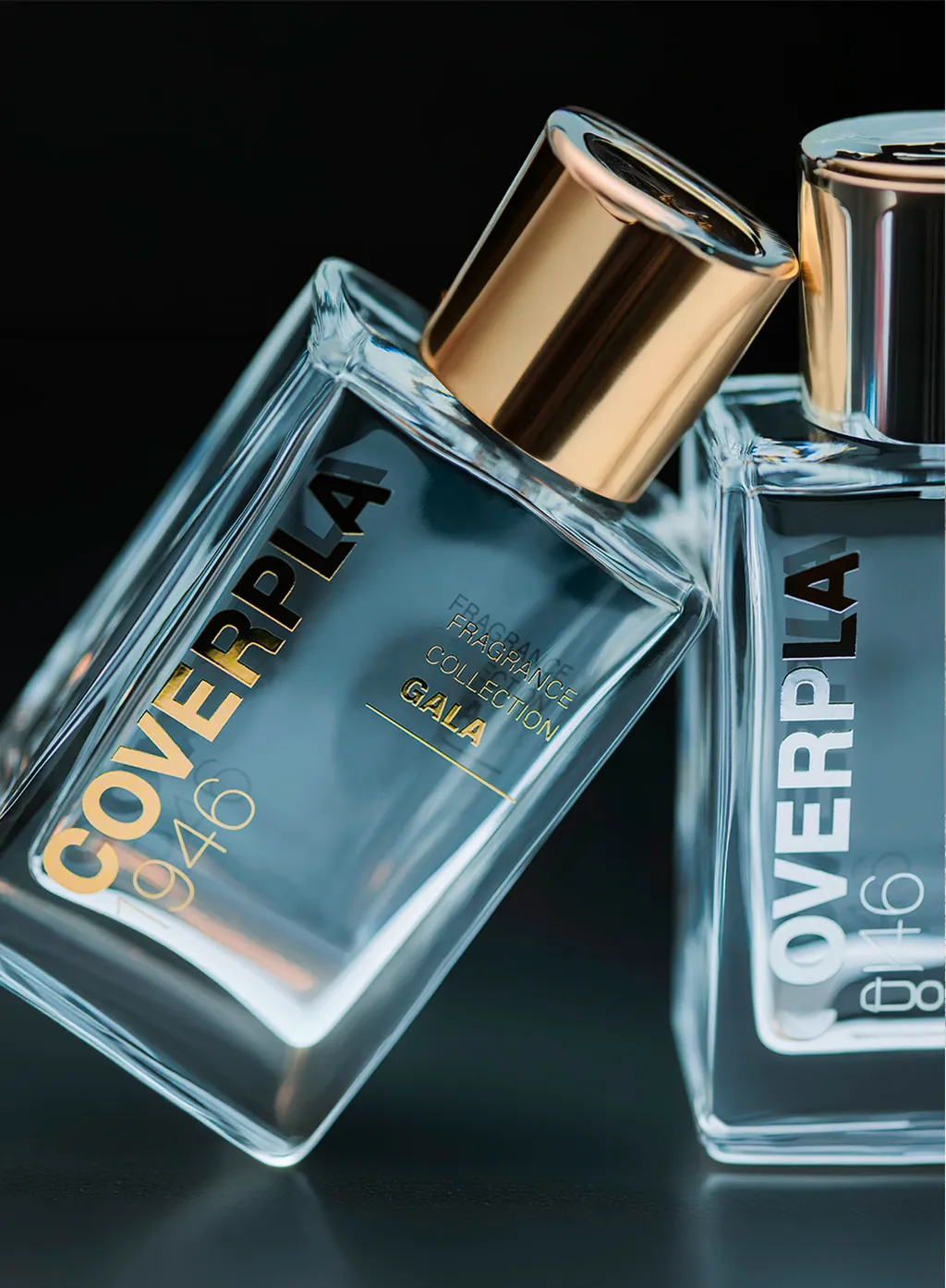
Hot Stamping
Hot stamping is a decoration technique widely used in the luxury sector.
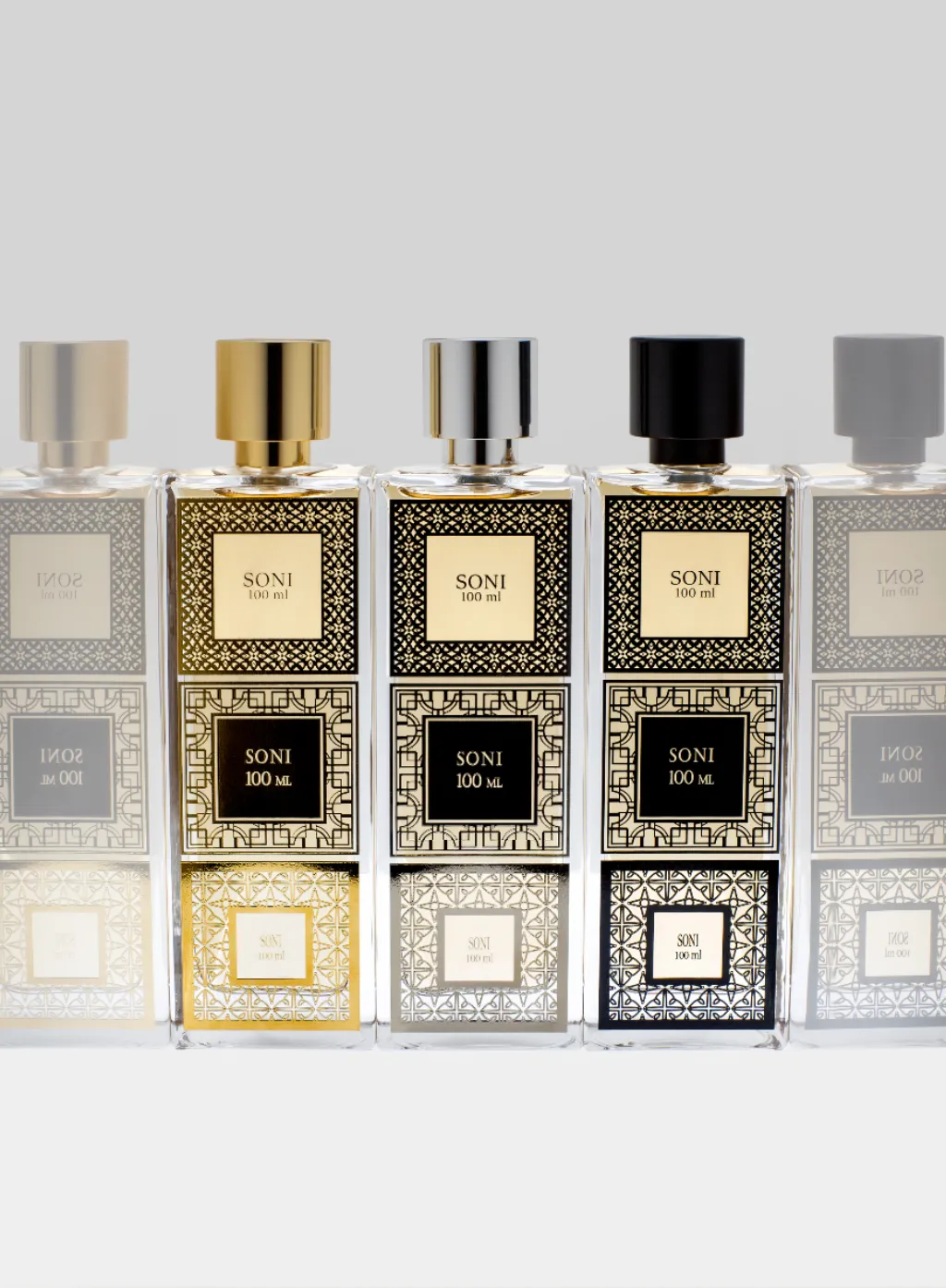
It involves applying a metallic or pigmented film to the bottle using heat and pressure. This process produces sharp and elegant markings with gold, silver, or metallic finishes.
In perfume packaging, this technique is often used to highlight certain key elements such as the logo or fragrance name.
Hot stamping can also be combined with other techniques, such as lacquering or glass frosting, to create a visual contrast between matte/glossy surfaces and shiny metallic marking.
This type of finish strongly contributes to the premium perception of the bottle. At Coverpla, this decoration technique can be performed on production runs from 1,000 pieces.
Pad Printing
Pad printing is a printing technique used when the bottle’s geometry makes printing more complex.
Unlike screen printing, it uses a flexible pad that transfers ink onto the surface of the substrate. This process allows printing on rounded, inclined, or hard-to-reach areas.
In the perfume sector, pad printing is particularly useful for bottles with original shapes, for very specific decorative areas, or to meet regulatory requirements and allow printing of legal information on the bottom of the bottle.
This technique offers high precision while allowing printing on surfaces that would otherwise be difficult to decorate. It thus complements the other customization solutions offered by Coverpla. Coverpla offers this decoration technique from 1,000 pieces.
Interior and Exterior Lacquering
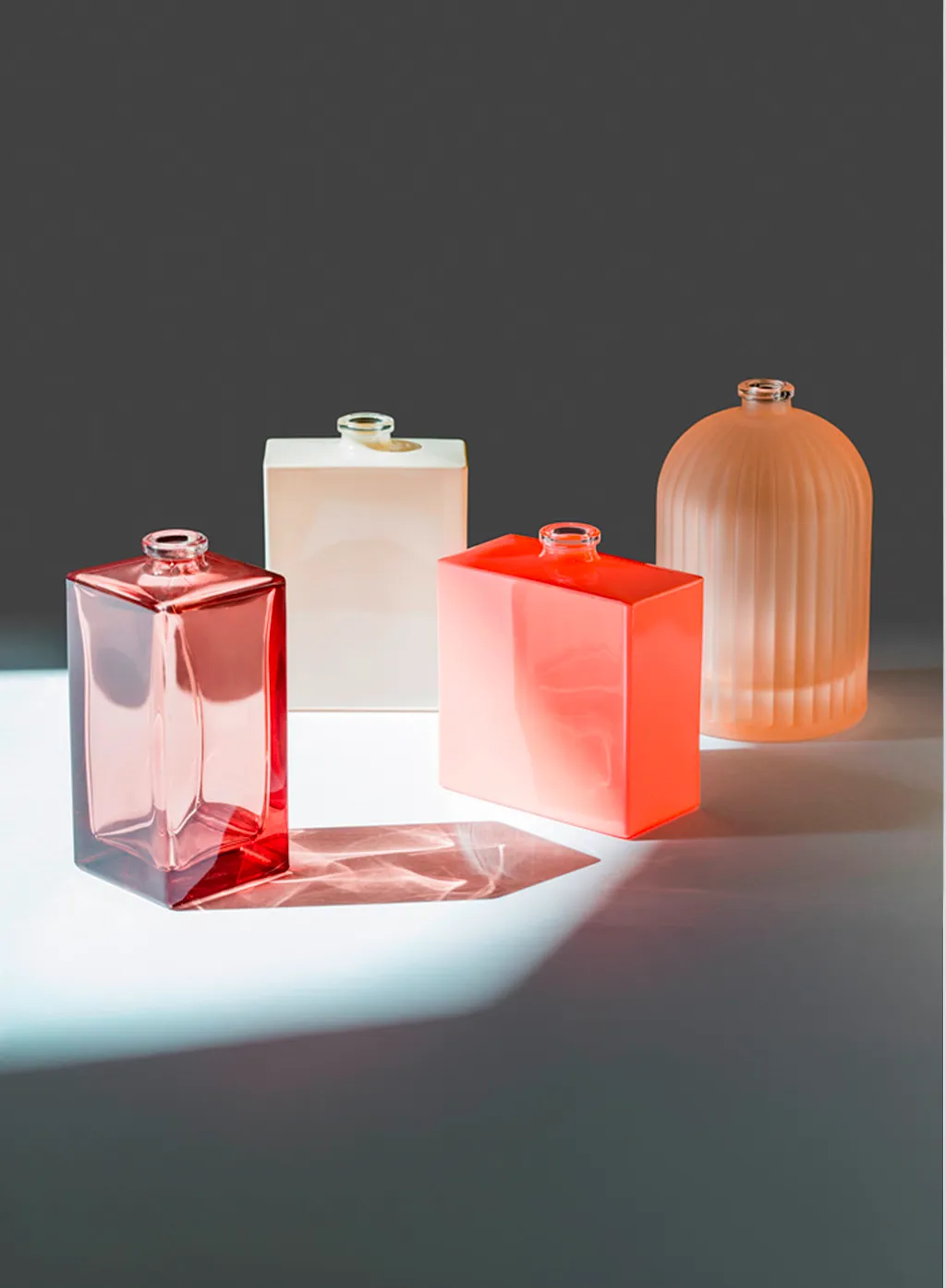
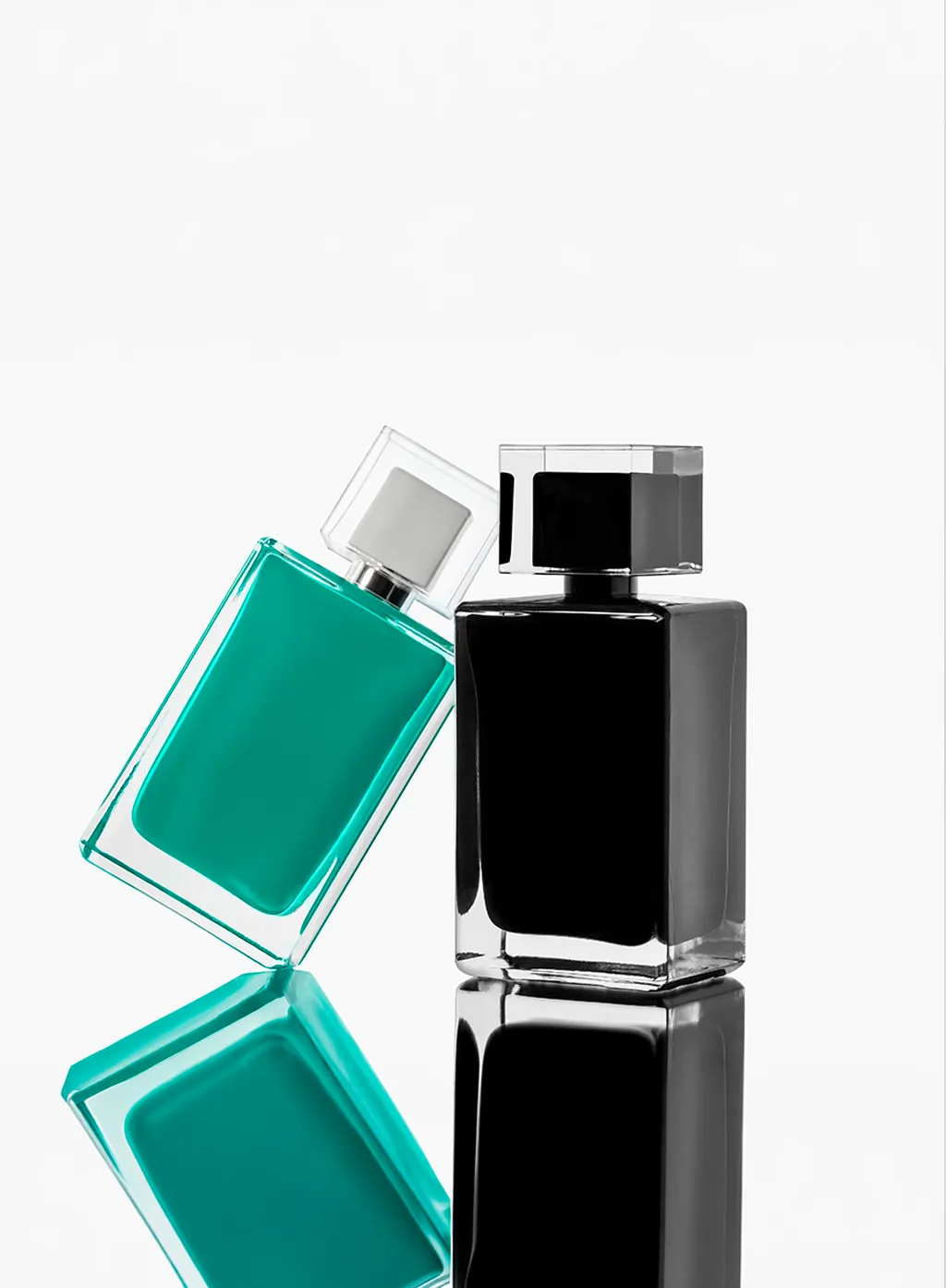
Lacquering is one of the most widely used customization techniques in perfume packaging. It involves applying one or more layers of lacquer to the bottle surface, either on the outside or inside the glass.
Exterior lacquering allows a wide variety of visual renderings: opaque colors, glossy effects, gradient, translucent, satin, or matte finishes. This technique is often used to completely transform a bottle’s appearance and create a strong visual signature.
Interior lacquering, on the other hand, colors the glass from the inside, bringing out the glass contours. The result is often deeper and more subtle, with a particularly elegant light effect.
In certain projects, lacquering can be combined with other decoration techniques, such as screen printing, hot stamping, or pad printing, to add contrasting graphic elements to the bottle surface.
At Coverpla, these lacquering solutions make it possible to quickly adapt a standard bottle to a brand’s aesthetic universe, with projects achievable from 1,000 pieces.
Metallization
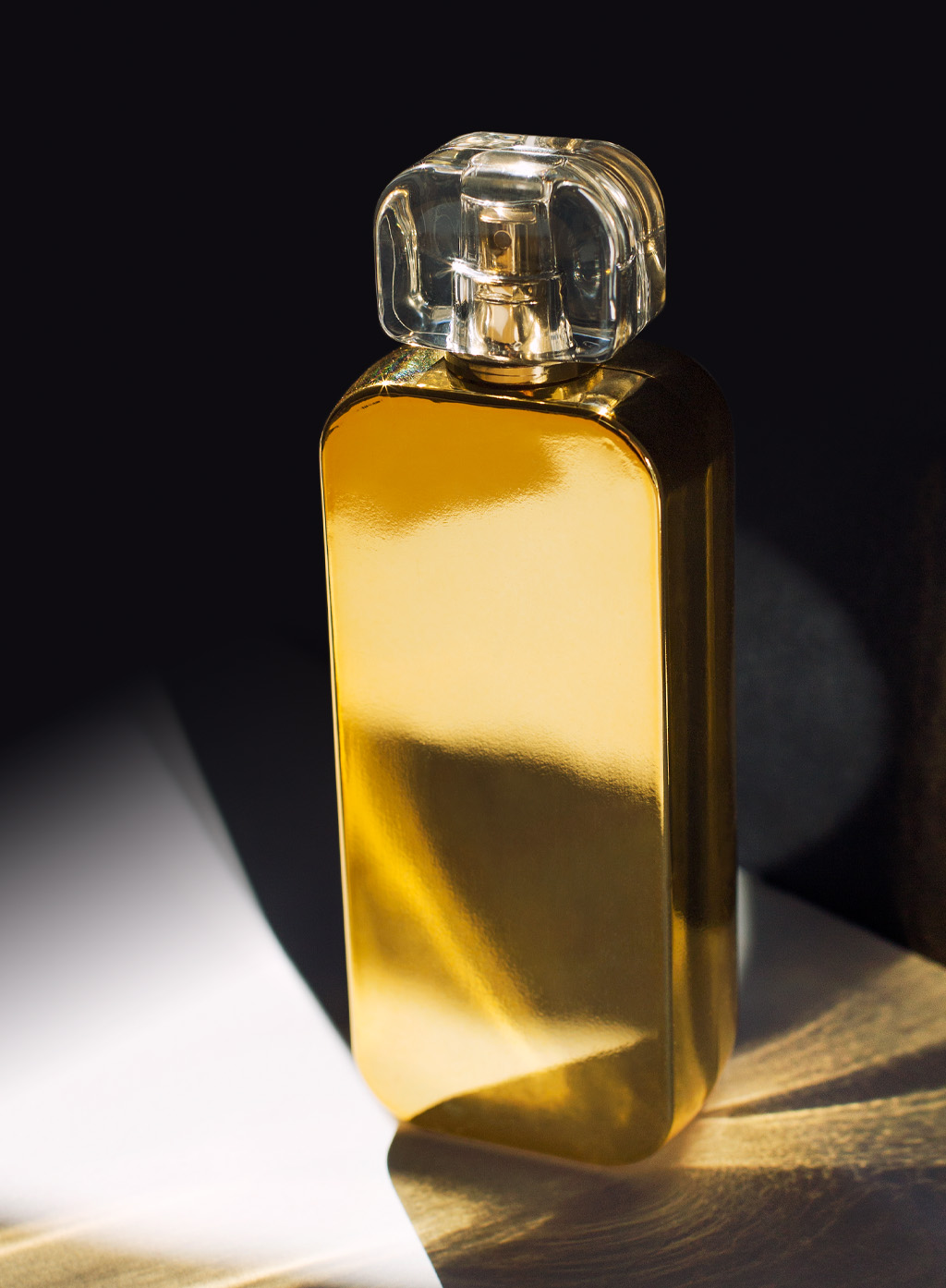
Metallization is a technique that involves depositing a thin metallic layer on the bottle surface to achieve a shiny or mirror finish.
This process creates a particularly impactful visual effect. The metallic reflections capture light and immediately enhance the premium perception of the packaging. Finishes can vary: chrome, silver, gold, or even colored metallic effects.
In the perfumery world, metallization is often used for luxury-positioned packaging or for special editions. It can also be combined with other techniques, such as pad printing or screen printing, to create contrasts between metallic surfaces and decorated areas.
Like other decoration techniques offered by Coverpla, metallization can be implemented on small-batch projects, allowing brands to develop distinctive packaging without immediately going through a complete glass development process.
Frosting
Frosting involves treating the glass surface to give it a matte or slightly frosted appearance.
This process modifies how light diffuses through the glass, creating a softer and more elegant visual effect. The rendering is often associated with minimalist or contemporary packaging.
Frosting also provides an interesting tactile dimension: the bottle becomes softer to the touch, which enhances the product’s sensory experience.
At Coverpla, this finish can be performed on small batches.

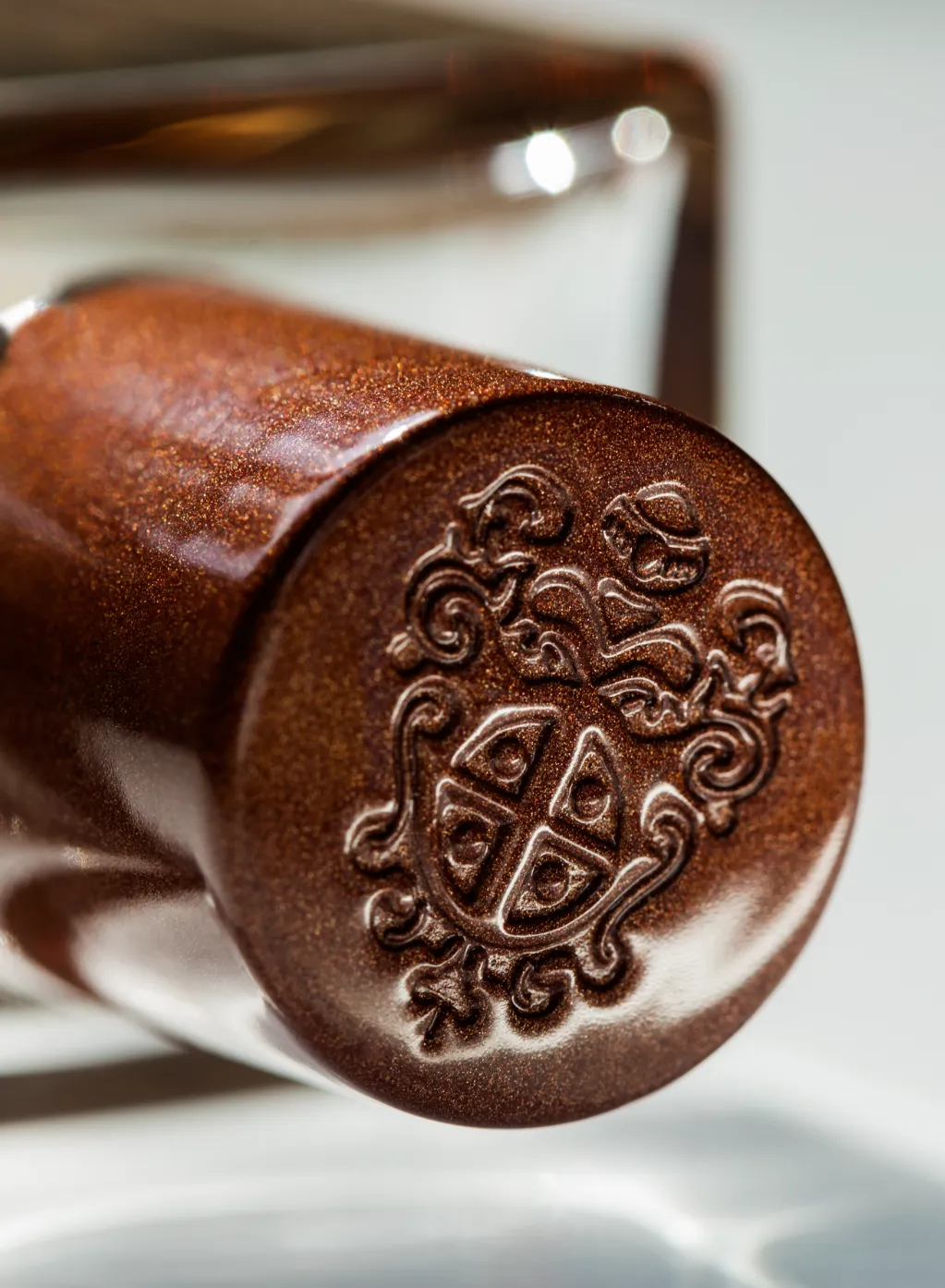
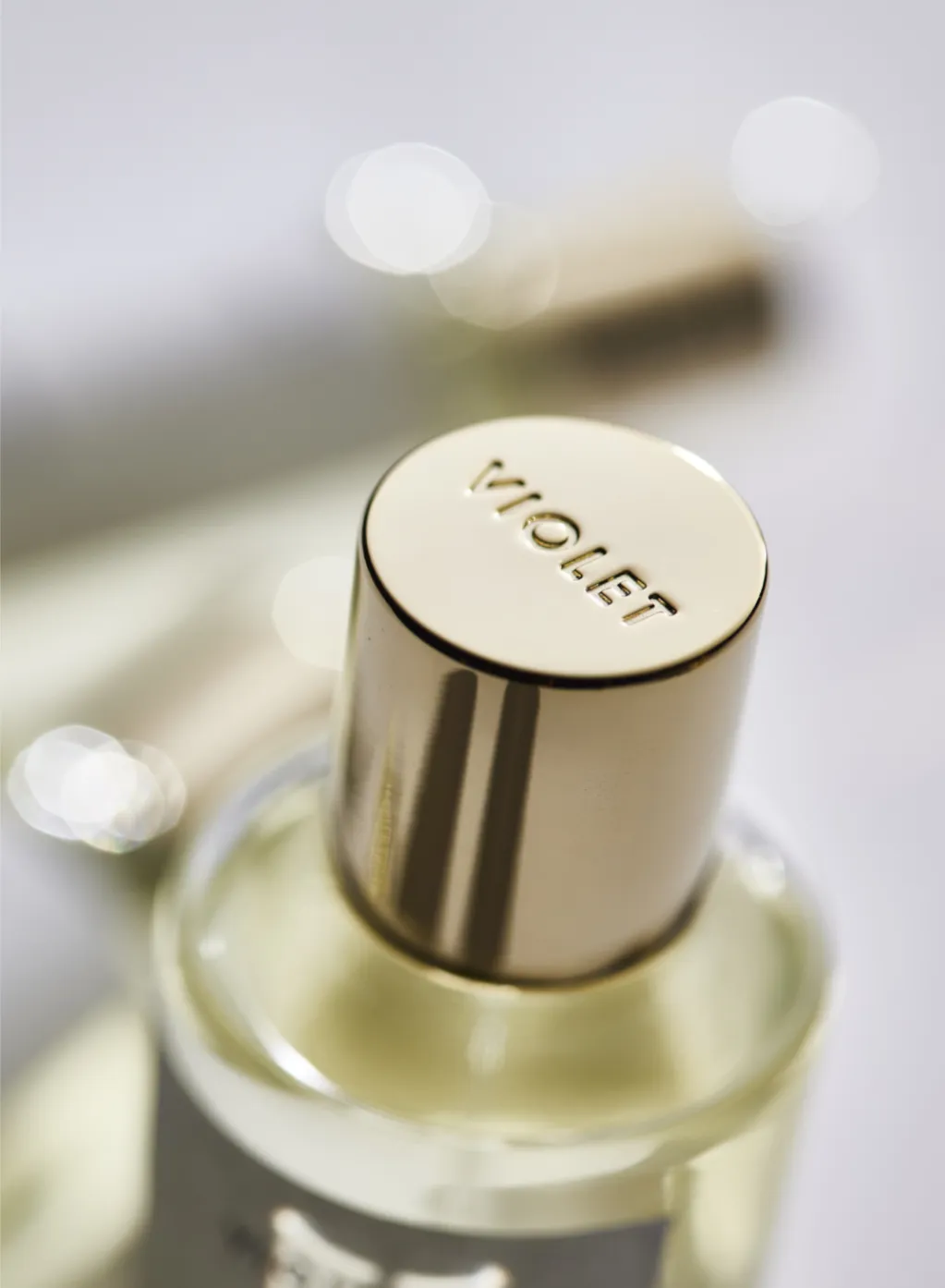
Engraving
Engraving involves inscribing a pattern or graphic element directly into the material.
Unlike printing techniques, it physically modifies the bottle or cap surface. The decoration thus becomes permanent and particularly durable.
This technique is often used to create premium packaging or to add subtle details to the material. It can also be applied to different packaging elements such as the cap or pump.
However, feasibility and production conditions vary depending on the element concerned and the material to be engraved, as each material requires a specific technical approach.